A standard home inspector barely scratches the surface of the plumbing hidden inside walls and under the foundation. You need a dedicated plumbing inspection before buying a house scottsdale az to avoid inheriting a financial disaster. Once you sign the closing papers, every hidden leak and collapsed sewer line becomes your problem.
Standard inspectors check the cosmetic function of a home. They turn on faucets and look under sinks. A licensed plumber uses specialized equipment to find the hidden threats that cost thousands of dollars to fix.
Here is exactly how to decide if a property needs a specialized plumbing evaluation, what the inspector must check, and how much it will cost.
Why Standard Inspections Miss Critical Plumbing Flaws
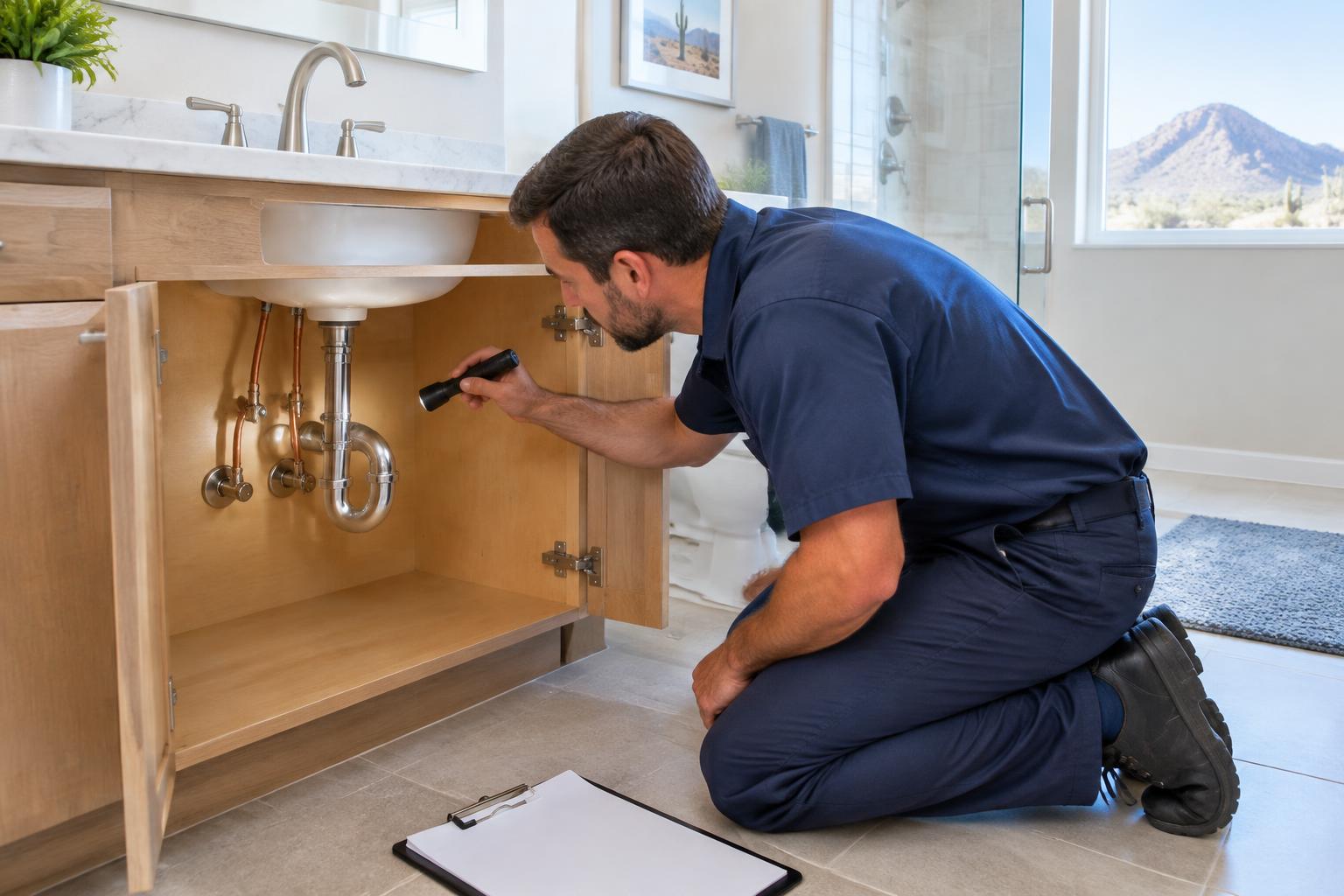
A general property inspector evaluates the entire house in a few hours. They check the roof, the electrical panel, the HVAC system, and the foundation. Because they must cover so much ground, their plumbing check is purely visual.
They will tell you if a toilet runs or if a sink drains slowly. They will not tell you why the sink drains slowly. They cannot see inside the underground sewer line to determine if tree roots are crushing the pipe.
General Inspector vs. Licensed Plumber
Knowing the difference between these two evaluations prevents you from buying a house with failing infrastructure.
| Feature | General Home Inspection | Dedicated Plumbing Inspection |
|---|---|---|
| Equipment Used | Flashlight, basic moisture meter, eyes. | High-definition sewer cameras, pressure gauges. |
| Sewer Line Check | Flushes toilets to see if they drain. | Runs a camera down the main line to the city sewer. |
| Water Heater | Checks for hot water and visible leaks. | Evaluates anode rod, sediment buildup, and exact age. |
| Pipe Condition | Looks for active drips under sinks. | Identifies pipe material history and predicts failure risks. |
Warning Signs to Spot During Your Initial Walk-Through
Before you even pay for the inspection, you can spot plumbing red flags during your open house visit. If you notice any of these signs, a specialized inspection is mandatory.
Musty Odors in Specific Rooms
Pay attention to the smell in bathrooms, laundry rooms, and basement areas. A persistent musty smell often indicates a slow, hidden leak inside a wall cavity. Mold grows rapidly on wet drywall and wood framing. Sellers often try to mask these smells with heavy air fresheners or candles.
Discolored Water
Turn on the hot and cold water at a bathroom sink and let it run for thirty seconds. If the water runs brown, yellow, or rusty before clearing up, the home likely has deteriorating galvanized steel pipes. The rust inside the pipes settles when the water sits still.
Gurgling Drains
While the bathroom sink is running, flush the toilet in the same room. Listen closely to the sink drain. If you hear a bubbling or gurgling noise, the venting system is restricted or the main sewer line is partially blocked. The wastewater is struggling to push air out of the pipes.
Spongy Bathroom Floors
Step firmly around the base of every toilet and outside every shower door. The floor should feel completely solid. If the tile flexes or the floor feels spongy, the wax ring under the toilet has failed. Water has been rotting the wooden subfloor for months or years.
When a Home Buyer Plumbing Inspection Is Mandatory
Not every property requires a specialized plumbing check. A brand new build with a strong builder warranty rarely needs immediate camera work. However, specific scenarios make a home buyer plumbing inspection an absolute necessity.
Homes Built Before 1990
Scottsdale properties built in the 1960s, 1970s, and 1980s often contain outdated pipe materials. Many of these homes still have cast iron or clay sewer lines. Cast iron rusts from the inside out and flakes away. Clay pipes crack easily under shifting soil. Both materials are past their intended lifespan and will require expensive replacement soon.
The Polybutylene Era
If the house was built between 1978 and 1995, you must verify the supply line material. Builders heavily used polybutylene pipes during this period. Polybutylene is a gray plastic pipe that reacts poorly to the chlorine in municipal water. The pipes become brittle and shatter without warning. If the home still has polybutylene, you will need to pay for a full house repipe.
Flipped Properties
Real estate investors want to maximize visual appeal while minimizing hidden costs. A flipped house often features a stunning master bathroom with rainfall showerheads and freestanding tubs. However, the flipper likely connected those expensive fixtures to decaying forty-year-old galvanized steel pipes hidden inside the walls. A plumber will look past the fresh paint to check the actual rough-in plumbing.
If your pre-purchase inspection flags corroded supply lines, poorly vented trap arms, or outdated galvanized piping, factor plumbing updates into your initial renovation budget. When modernizing a master bath or opening up a kitchen layout, working with a licensed contractor experienced in remodel plumbing in Maricopa County ensures drain and supply lines are properly relocated behind the walls before cabinets, countertops, and tile work begin.
Homes with Large Mature Trees
Desert trees like mesquite, palo verde, and ficus have incredibly aggressive root systems. These roots constantly seek water. If a property has large trees near the front yard or the sewer line path, roots have likely found tiny joints in the underground pipe. Once roots enter the sewer line, they form massive blockages that trap solid waste.
The Ultimate Plumbing Inspection Checklist
Do not hire a plumber to simply walk through the house and look at the sinks. You are paying for a deep diagnostic check. Require the plumber to complete this specific plumbing inspection checklist.
1. Main Sewer Line Video Inspection
This is the most critical part of the evaluation. The plumber must push a fiber-optic camera through the sewer cleanout all the way to the municipal connection at the street. The camera reveals root intrusions, cracked pipes, and scale buildup. It also identifies pipe bellies. A belly is a sunken section of pipe caused by shifting caliche soil. Water and solid waste sit stagnant in these low spots and cause constant backups.
2. Static Water Pressure Test
High water pressure destroys modern plumbing fixtures. The plumber should attach a pressure gauge to an exterior hose bib. Standard residential water pressure should sit between 50 and 80 PSI. If the pressure exceeds 80 PSI, the home needs a new pressure reducing valve. Without it, the high pressure will blow out washing machine hoses and ruin toilet fill valves.
3. Supply Line Material Identification
The inspector must visually verify the type of pipes carrying water through the house. They will check the pipes exposed near the water heater and under the sinks. You want to see copper, PEX, or CPVC. If the inspector finds galvanized steel or polybutylene, you must budget for a complete repipe. Galvanized steel rusts internally, choking off water flow and turning the water brown.
4. Water Heater Evaluation
Scottsdale has incredibly hard water. The high levels of calcium and magnesium destroy standard water heaters in six to eight years if the tank is not flushed annually. The inspector will check the manufacture date on the serial number. They will inspect the fittings for corrosion and listen for popping sounds inside the tank. Popping indicates a thick layer of hard water sediment boiling at the bottom of the tank.
5. Hard Water Scale Assessment
Arizona relies heavily on groundwater and the Colorado River. This water picks up massive amounts of minerals before it reaches a Scottsdale home. Without a whole-home water softener, this calcium builds up inside pipes like plaque in an artery. The inspector must check the aerators on faucets and the showerheads for severe white crust. If the scale is thick on the outside, the internal pipes are also restricted, which reduces overall water volume and ruins expensive appliances like dishwashers and washing machines.
6. Shutoff Valve Testing
When a pipe bursts under a sink, you need to turn the water off immediately to prevent property damage. The inspector will test the main house shutoff valve and the local angle stops under the sinks and toilets. Older homes often have cheap multi-turn valves that freeze in place over time. If the valves do not turn, or if they leak when touched, they require replacement.
7. Plumbing Vent System Inspection
Every drain in a house connects to a vent pipe that exits through the roof. These vents allow sewer gases to escape and let air into the pipes so water can drain smoothly. In Arizona, roof rats and birds frequently build nests inside these warm vent pipes. A blocked vent causes toilets to flush poorly and traps toxic sewer gas inside the home. The inspector will verify that all roof vents are clear and functioning correctly.
Breaking Down the Plumbing Inspection Cost Scottsdale AZ
You should expect to pay a realistic plumbing inspection cost scottsdale az between $250 and $450. The exact price depends on the size of the home and whether the main sewer line has an accessible exterior cleanout.
The sewer camera inspection accounts for the majority of this fee. Pushing a high-definition camera one hundred feet underground requires expensive equipment and specialized training.
Do not let this upfront cost deter you. Paying $350 now is a minor expense compared to a $15,000 emergency sewer line excavation two months after you move in. If the plumber finds a major defect, you can use the inspection report to negotiate with the seller. You can demand they complete the repairs before closing or credit you the cost of the work.
Secure Your New Home with LD Plumbing LLC
Never finalize a real estate transaction without knowing exactly what is happening inside the pipes. Hidden leaks, tree roots, and outdated pipe materials will quickly drain your savings. The experts at LD Plumbing LLC provide comprehensive, honest evaluations for homebuyers across the Valley. We send our high-definition cameras deep into the system and give you the proof you need to negotiate your purchase safely. Contact LD Plumbing LLC today to schedule your specialized pre-purchase inspection.