Turning on the shower and getting a weak trickle ruins your morning. Waiting ten minutes for the kitchen sink to fill up wastes your time. When you experience low water pressure Peoria AZ, you need to find out exactly where the restriction is happening.
Water pressure drops happen for two specific reasons. Either the water is restricted before it reaches your fixtures, or the water is escaping through a leak hidden somewhere on your property.
Here is how to diagnose the cause of low water pressure in house plumbing, exactly what to look for, and how to fix the problem permanently.
Diagnosing Low Water Pressure in Your House
Before you start buying parts or taking pipes apart, you must isolate the problem. The location of the pressure drop tells you exactly what part of the plumbing system is failing. Check every plumbing fixture in your home. Turn on the cold water, then turn on the hot water.
If only one faucet has low pressure, the issue is local to that specific fixture. If the entire house has weak flow, the problem is tied to your main water line, the pressure regulator, or a massive leak. If only the hot water is weak, your water heater or its supply lines are to blame.
Single Fixture vs. Whole House Pressure Drops
Knowing where the restriction sits saves you from replacing parts that are working perfectly fine.
| Feature | Single Fixture Low Pressure | Whole House Low Pressure |
|---|---|---|
| Affected Area | One sink, shower, or toilet. | Every faucet and appliance in the home. |
| Most Likely Cause | Clogged aerator or bad valve cartridge. | Failed PRV or main line leak. |
| Hot vs. Cold | Usually affects both temperatures. | Affects both temperatures equally. |
| Next Step | Clean the fixture head. | Test pressure at the main line. |
Common Causes of Low Water Pressure Peoria AZ
The desert environment in Arizona introduces unique challenges to residential plumbing. Here are the most likely reasons your water flow is restricted.
Hard Water and Mineral Scale
Peoria has notoriously hard water. The municipal supply contains high levels of calcium and magnesium. When water flows through your pipes, these microscopic minerals stick to the inner walls and fixture openings.
Over time, this scale builds up and chokes off the water supply. Mineral buildup is the most common cause of a localized pressure drop. It clogs faucet aerators, showerheads, and the tiny supply hoses feeding your toilets and sinks. If your plumbing fixtures have a crusty white or green buildup around the nozzles, hard water is restricting your flow.
Failing Pressure Reducing Valve (PRV)
Most homes in Peoria have a pressure reducing valve installed on the main water line. The municipal water supply pumps water at very high pressures to reach every neighborhood. If that water enters your home at 100 PSI, it will blow out your plumbing joints and ruin your appliances.
The PRV steps this pressure down to a safe 50 to 70 PSI. These brass valves contain an internal rubber diaphragm and spring. They typically last 7 to 12 years. When a PRV fails, it often restricts flow entirely, causing an instant drop in whole-house pressure.
Clogged Water Filtration Systems
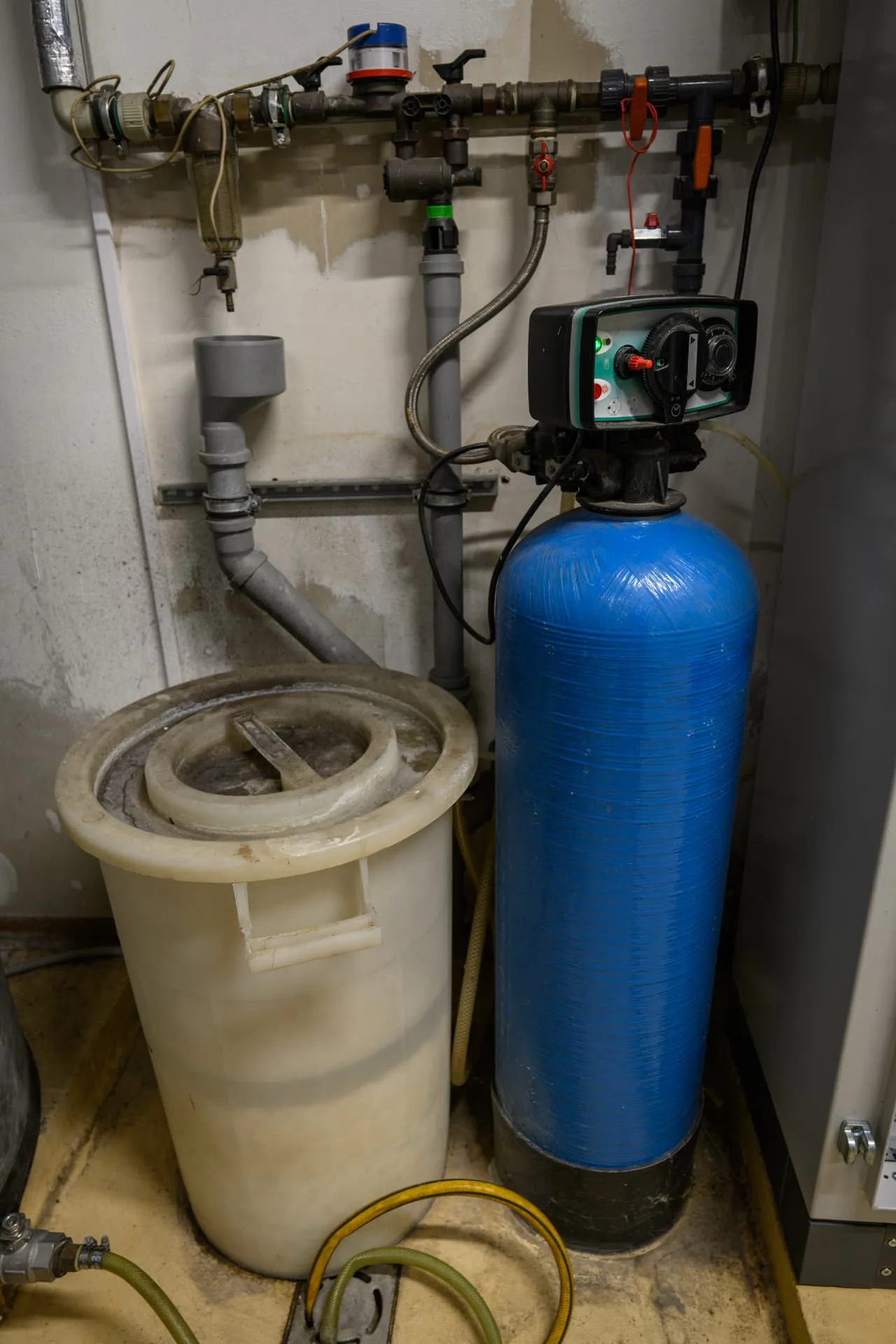
Many Arizona homes use whole-house water softeners or reverse osmosis systems to combat the hard city water. These systems rely on resin beds and carbon filters to clean the water.
If you forget to change your filters, or if the resin bed degrades, the system becomes a bottleneck. The restricted flow drops the water pressure for every fixture connected downstream. You can test this by temporarily switching your water softener to bypass mode. If your water pressure instantly returns to normal, your softening equipment requires maintenance.
Hidden Plumbing Leaks
If water is escaping through a cracked pipe, less water reaches your faucets. In Arizona, many homes are built on concrete slab foundations. The main plumbing lines run directly under or inside this concrete.
A slab leak dumps gallons of water into the soil beneath your house, severely dropping your indoor water pressure. Signs of a slab leak include warm spots on the floor, a constant running water sound when no fixtures are turned on, and unusually high monthly water bills.
Partially Closed Shutoff Valves
Your home has a main water shutoff valve, usually located near the street meter or where the pipe enters your exterior wall. If this valve gets bumped, or if a technician forgets to open it fully after a repair, your home will not receive full flow. The exact same rule applies to the cold water shutoff valve mounted above your water heater.
How to Test Your Home Water Pressure
You can measure your exact water pressure using a simple pressure gauge from any local hardware store. Buy a gauge with female hose threads.
Screw the gauge tightly onto your outdoor hose bib or washing machine supply valve. Make sure no water is running inside the house. Turn the valve open completely and read the dial.
Normal residential water pressure sits between 40 and 80 PSI. If your reading is below 40 PSI, your pressure is objectively too low. If your reading is above 80 PSI, your pressure reducing valve has failed open and your pipes are at immediate risk of bursting.
DIY Fixes for Low Water Pressure Peoria
You can solve fixture-specific pressure drops without calling a professional. These quick maintenance steps often restore full flow to individual sinks and showers.
Clean Your Aerators
The tip of your faucet contains a small screen called an aerator. It mixes air into the water stream to prevent splashing. Hard water scale clogs this fine screen quickly.
Unscrew the tip of the faucet counterclockwise. Remove the screen and soak it in a bowl of white vinegar for two hours. Scrub it with an old toothbrush, rinse it thoroughly, and screw it back onto the faucet.
Descale Your Showerhead
If your shower feels weak, fill a plastic sandwich bag with white vinegar. Secure the bag over the showerhead using a heavy rubber band, making sure the nozzles are fully submerged in the liquid. Leave it attached overnight.
Remove the bag in the morning and run hot water through the shower for five minutes to flush out the dissolved calcium deposits.
Check the Main Supply Valve
Locate your main shutoff valve. If it is a gate valve (a round wheel), turn it counterclockwise until it stops moving. If it is a ball valve (a straight metal handle), make sure the handle is running parallel to the pipe. A handle sitting perpendicular to the pipe means the water supply is restricted or completely shut off.
When to Call a Plumber for Pressure Issues
Do not attempt to replace a pressure reducing valve or dig up a main line leak on your own.
PRV replacement requires cutting the main copper water line and soldering or pressing new brass fittings. Installing the valve backward or setting the pressure incorrectly will damage your entire plumbing system and void appliance warranties.
If you suspect a hidden leak, you need professional leak detection equipment. Plumbers use ultrasonic listening devices and thermal imaging cameras to pinpoint the exact location of a broken pipe under a concrete slab. Guessing the location means destroying flooring and concrete unnecessarily. Call a professional to locate the leak precisely, expose the pipe safely, and perform a lasting repair.
Fix Your Water Pressure Today
Stop living with weak showers and slow-filling kitchen sinks. The team at LD Plumbing LLC diagnoses and repairs water pressure problems accurately. We find hidden leaks, replace failed pressure reducing valves, and restore strong, reliable water flow to your entire house. Contact LD Plumbing LLC today to schedule a pressure test and professional plumbing inspection.